

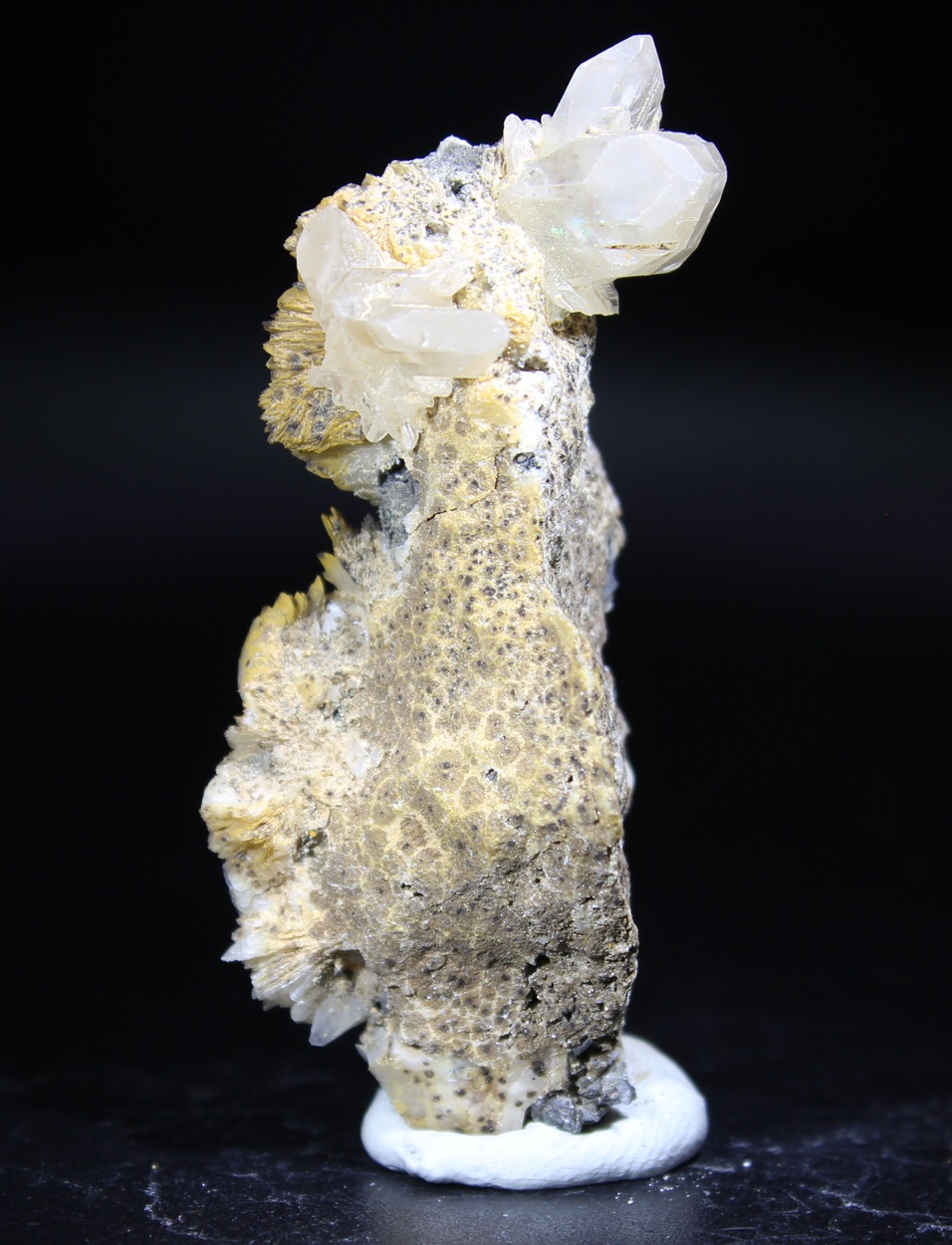
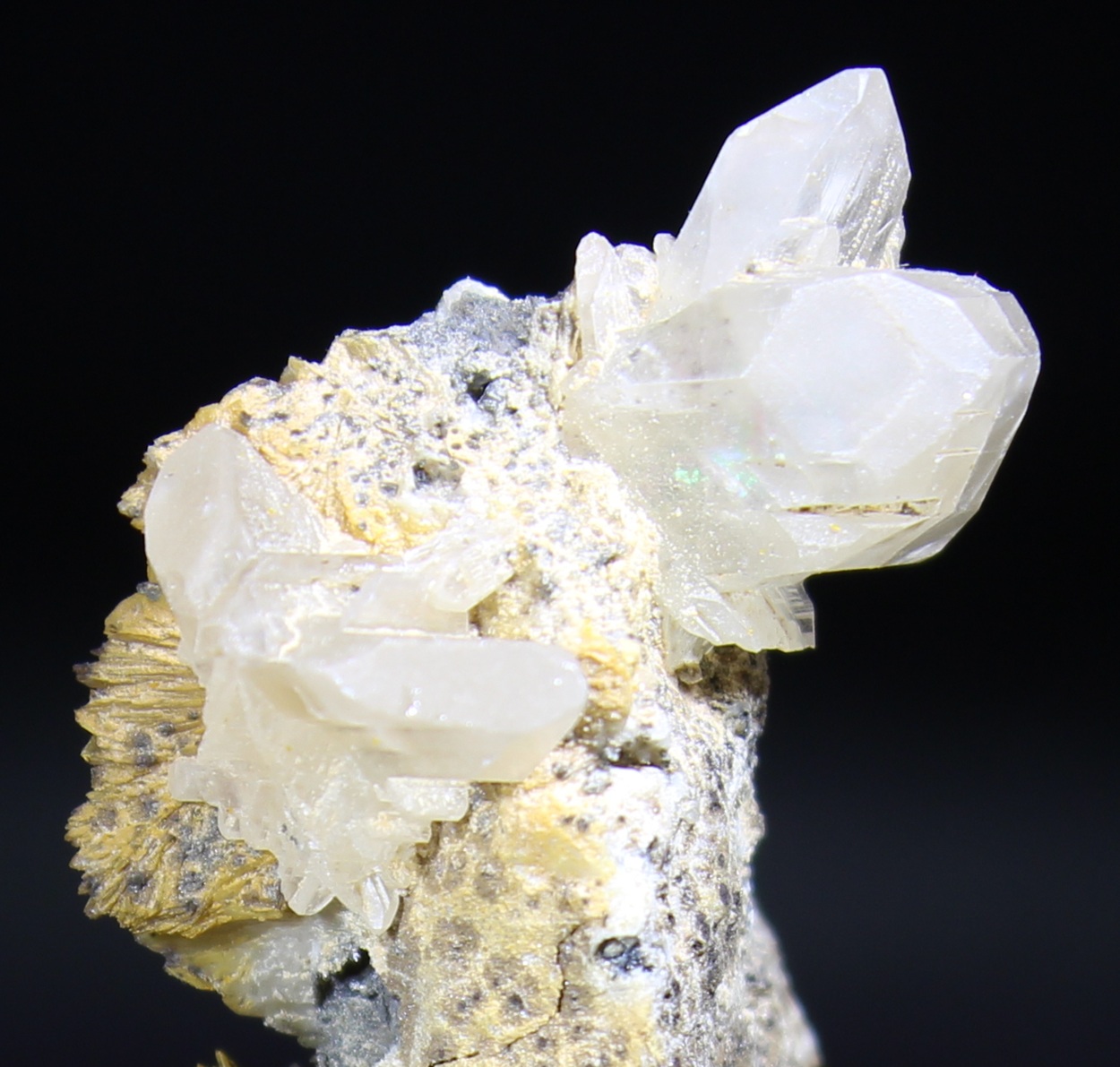

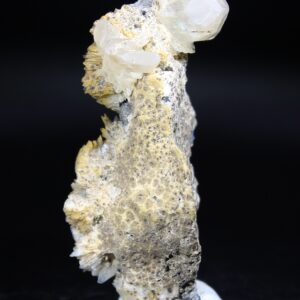
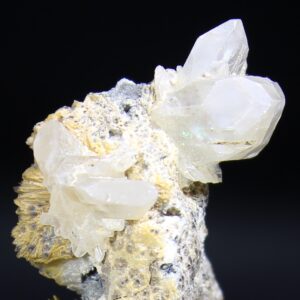
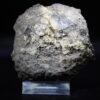
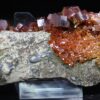
This Cerussite specimen from Mibladen near Midelt, Morocco, shows several whitish to colorless Cerussite crystals on a narrow, richly mineralized matrix with Baryte and minor Galena. Particularly striking are the two upper Cerussite groups with crystals measuring approximately 1 × 1 cm each. They show good luster and a complex intergrown habit that is very likely twinned.
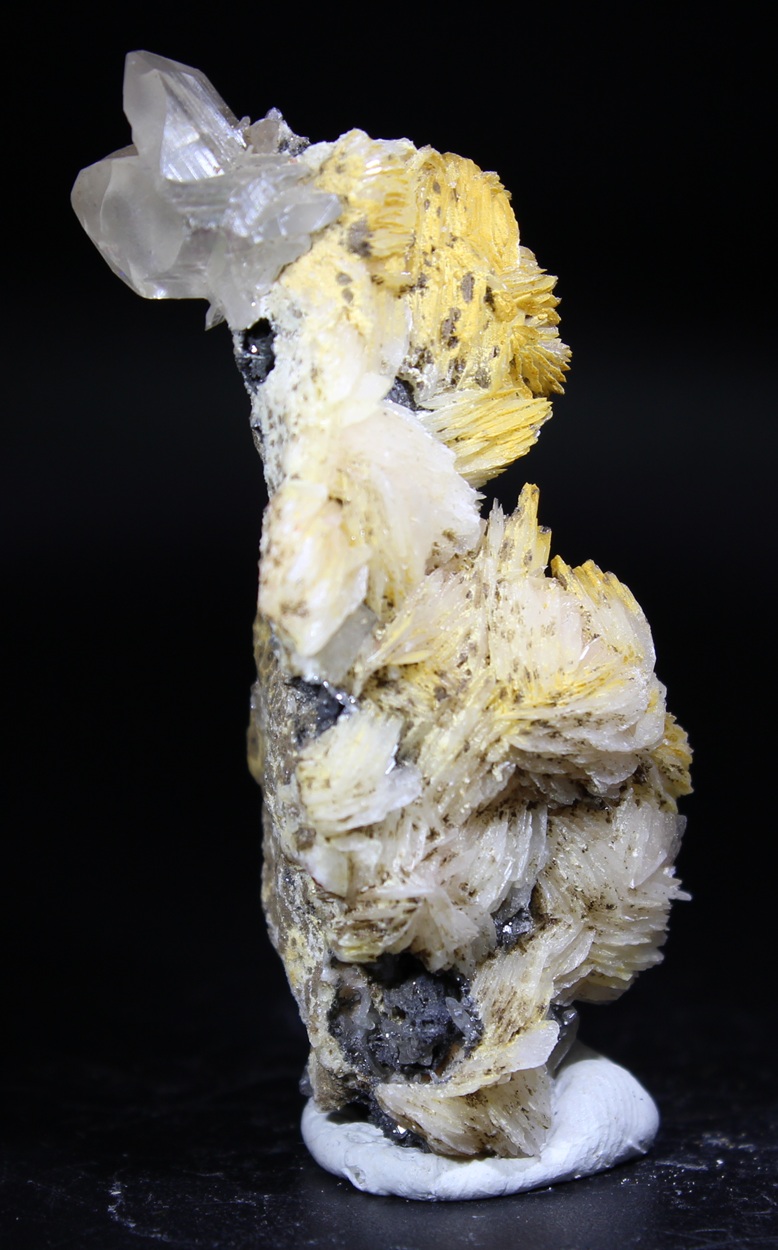
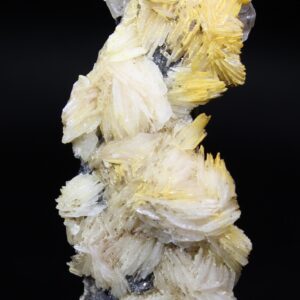
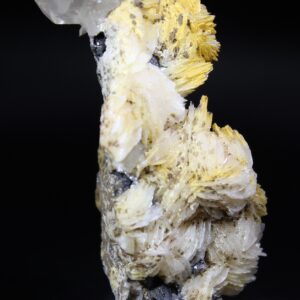
The specimen measures 6.0 × 2.5 × 2.0 cm and has an unusually slender, vertically developed shape. On the opposite side, numerous cream-white to yellowish bladed Baryte aggregates are visible. Small gray Galena areas occur between them.
Translucent Cerussite with twinning
The Cerussite crystals are translucent and show a good vitreous to adamantine luster. The crystal group at the upper end of the specimen stands out clearly from the matrix.
Several crystal individuals are intergrown and show a complex morphology typical of Cerussite. On this specimen, twinning is very likely, although the external morphology does not allow a specific multiple-twin form such as a sixling to be identified with certainty.
The largest Cerussite crystals reach approximately 1 cm and form the main mineralogical feature of the specimen.
Baryte and partly altered Galena
On the reverse side and along the matrix, the Baryte forms numerous bladed, fan-like to rosette-like aggregates. Its color ranges from whitish and cream-colored to locally yellowish. The Baryte is opaque.
Galena is also visible in a few areas. On this specimen, it does not show a fresh metallic luster but appears predominantly dull and partly altered. In places, the Galena is overgrown by Cerussite.
This feature documents the secondary alteration of the original lead sulfide Galena to Cerussite under oxidizing conditions. The specimen therefore not only shows an attractive mineral association but also a mineralogical alteration process that can be observed directly on the piece.
Cerussite from the classic Mibladen locality
Mibladen near Midelt is one of the classic Moroccan localities for lead minerals. In addition to the Vanadinite for which the area is especially well known, minerals such as Galena, Cerussite and Baryte also occur there.
Cerussite commonly forms as a secondary mineral in the oxidation zone of lead-bearing deposits through alteration of Galena. Mibladen is known for well-developed Cerussite crystals, including complex twinned forms.
This specimen combines translucent Cerussite, bladed Baryte and partly altered Galena in a particularly instructive mineral association. Its slender shape and Cerussite crystals reaching around 1 cm add further interest.
| Feature | Details |
|---|---|
| Main mineral | Cerussite |
| Associated minerals | Baryte, Galena |
| Locality | Mibladen, Midelt Province, Drâa-Tafilalet, Morocco |
| Dimensions | 6.0 × 2.5 × 2.0 cm |
| Weight | 35.8 g |
| Size category | Cabinet specimen |
| Color Cerussite | Colorless to whitish |
| Transparency Cerussite | Translucent |
| Luster Cerussite | Good, vitreous to adamantine |
| Crystal habit Cerussit | Complexly intergrown crystals, twinning |
| Crystal size Cerussite | Largest crystals approx. 1 × 1 cm |
| Color Baryte | Whitish to cream-colored, locally yellowish |
| Transparency Baryte | Opaque |
| Crystal habit Baryte | Bladed, fan-like to rosette-like |
| Galena | Minor, dull and partly altered |
| Alteration | Galena locally overgrown by secondary Cerussite |
| Special Feature | Classic locality; twinned Cerussite |
| Mineral | Baryte, Cerussite, Galena |
|---|---|
| Color | Colorless, Gray, White, Yellow |
| Size | Small cabinet specimen (5-7 cm) |
| Continent | Africa |
| Country | Morocco |
| Feature | Classic locality, Twinning |
Be the first to review “Cerussite with Baryte and Galena from Mibladen – Twinned Crystals on Matrix”
Related products
No VAT is shown in accordance with Section 19 (1) of the German VAT Act. Shipping costs apply.
plus shipping costs
7. Sulfates & Related Minerals
No VAT is shown in accordance with Section 19 (1) of the German VAT Act. Shipping costs apply.
plus shipping costs

4. Oxides & Hydroxides
No VAT is shown in accordance with Section 19 (1) of the German VAT Act. Shipping costs apply.
plus shipping costs
8. Phosphates, Arsenates & Vanadates
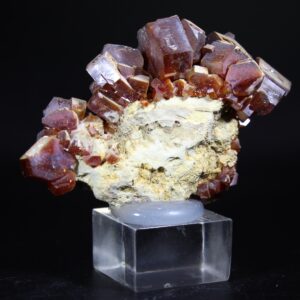
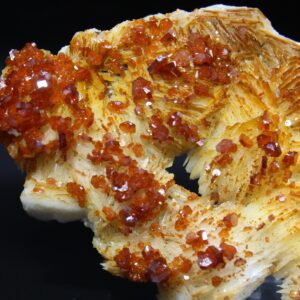
Vanadinite from Mibladen, Morocco – Red Crystals with Two-Tone Coloration
No VAT is shown in accordance with Section 19 (1) of the German VAT Act. Shipping costs apply.
plus shipping costs
8. Phosphates, Arsenates & Vanadates
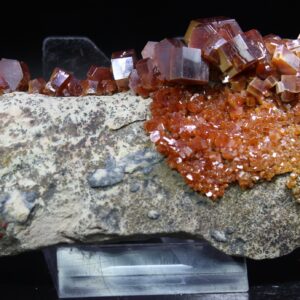
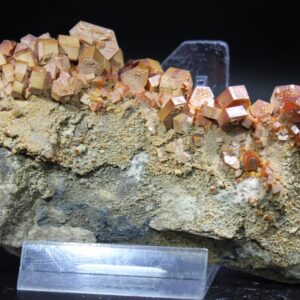
Vanadinite from Mibladen, Morocco – Large Crystals on Matrix
No VAT is shown in accordance with Section 19 (1) of the German VAT Act. Shipping costs apply.
plus shipping costs
No VAT is shown in accordance with Section 19 (1) of the German VAT Act. Shipping costs apply.
plus shipping costs
9. Silicates & Germanates
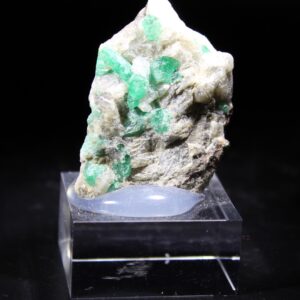
Emerald from Coscuez, Colombia – Translucent Crystal on Matrix
No VAT is shown in accordance with Section 19 (1) of the German VAT Act. Shipping costs apply.
plus shipping costs
7. Sulfates & Related Minerals
No VAT is shown in accordance with Section 19 (1) of the German VAT Act. Shipping costs apply.
plus shipping costs
Reviews
There are no reviews yet.