

Localities
Pyrite from the Extertal
May
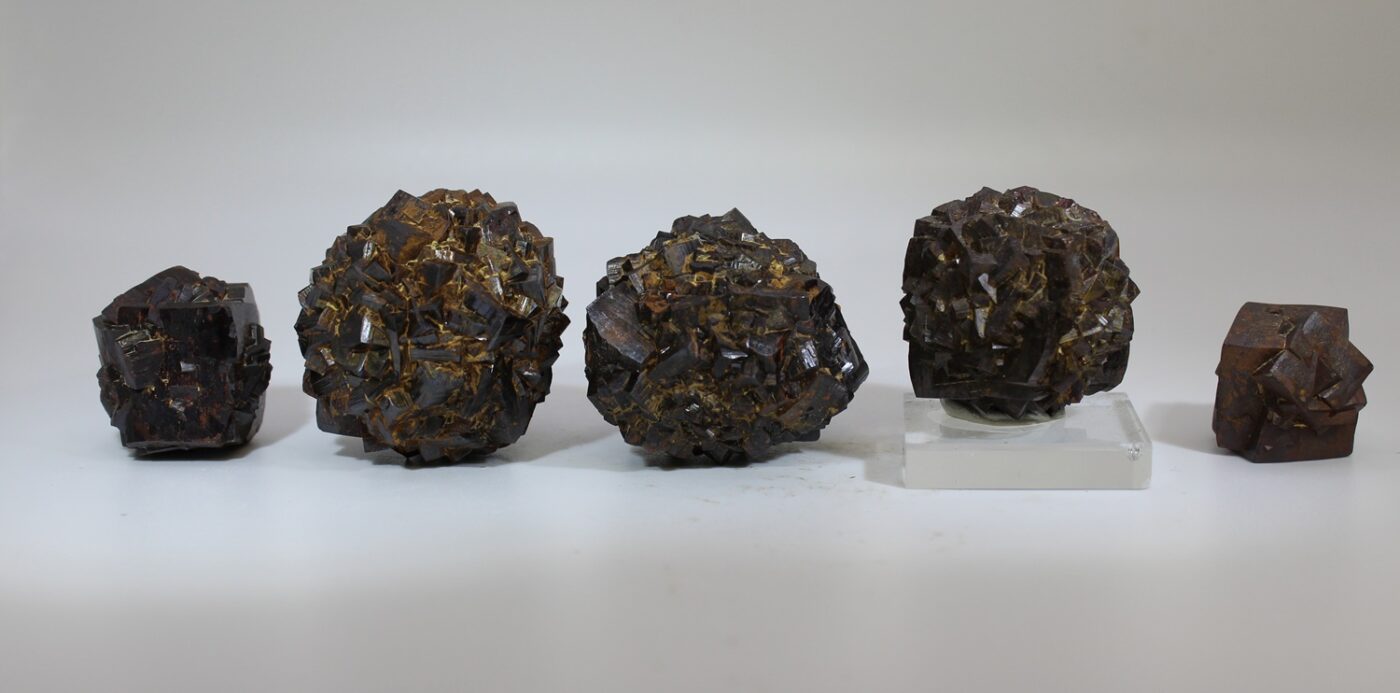
Pyrite from the Extertal region is particularly well known among mineral collectors for its distinctive crystal forms. One of the most characteristic features of the area is the occurrence of so-called “Iron Cross Twins.”
Location of the Extertal Collecting Area
Extertal is located in the northeastern part of the Lippe District in North Rhine-Westphalia, within the East Westphalia-Lippe region of Germany. The area forms part of the Weser Uplands and is characterized by gentle hills, densely wooded areas, valleys, and agricultural land. The region is also popular for hiking, with more than 250 km of marked trails. Another well-known landmark is Sternberg Castle, situated at an elevation of about 315 meters.
Natural streams and remnants of floodplain forest can also be found in the Tal der Exter Nature Reserve.
Pyrite from Extertal – Typical Features
Pyrite specimens from Extertal display several characteristics that make them particularly interesting to collectors.
Brown Surface Coloration
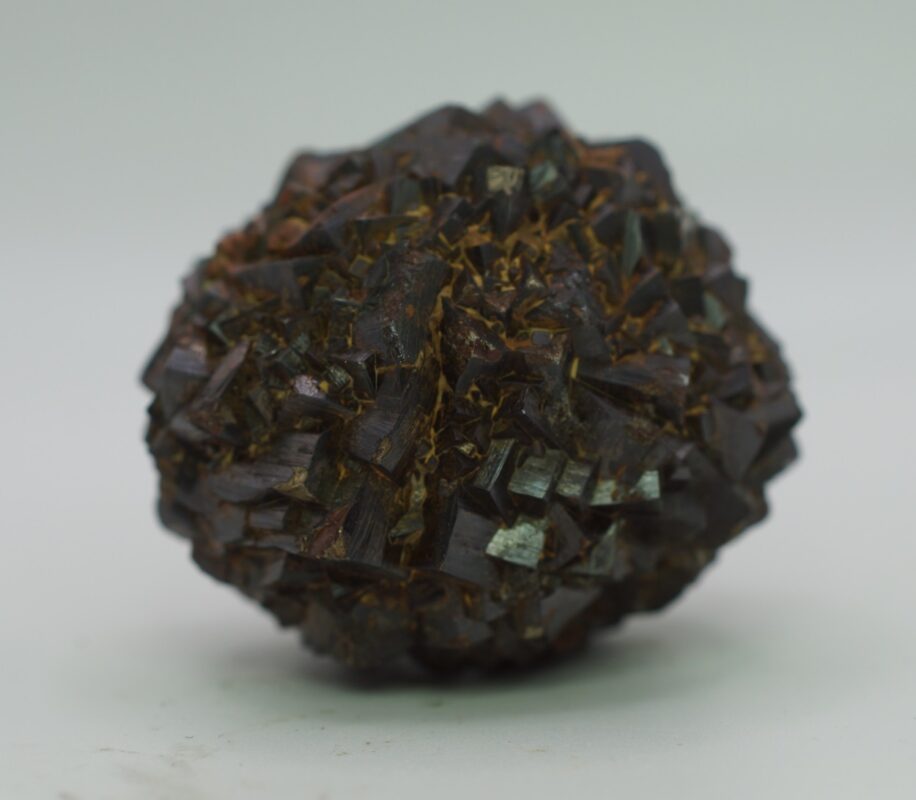
Pyrite normally has a characteristic brassy-yellow color, which is why it is commonly known as “fool’s gold.” Many pyrite specimens from Extertal, however, show an earthy brown surface coloration.
This is caused by surface oxidation and weathering processes. Secondary iron oxides and iron oxyhydroxides can form on or replace parts of the pyrite and are often collectively referred to as limonite. The brown coloration is commonly associated with a dull to weakly metallic luster.
Distinctive Crystal Forms such as the “Iron Cross”
Pyrite from Extertal commonly occurs as cubic and pyritohedral crystals, as well as combinations of these forms. Complex crystal twins and penetration twins are also known from the region.
Particularly characteristic are the so-called “Iron Cross Twins,” which are among the best-known pyrite forms from the area. Many examples have been found especially around Vlotho. These are penetration twins of pyrite in which two crystal individuals are intergrown according to the so-called Iron Cross twin law. When viewed from above, the intergrowth produces the distinctive cross-shaped appearance.
Contrast with the Rock Matrix
Pyrite from the Extertal area occurs mainly in Keuper sedimentary rocks, including marls and sandy horizons of the so-called Schilfsandstein. The crystals can form an attractive contrast with the surrounding matrix, particularly when they occur on lighter or brownish marl.
Pyrite formation in the region is associated with sedimentary rocks of Keuper age. Locally, these rocks provided favorable conditions for the growth of pyrite crystals and crystal twins. Later weathering processes partially oxidized many crystals at the surface, producing the characteristic brown coloration seen in numerous specimens from the region.
Pyrite Localities in the Extertal Area
For researching collecting localities in the Extertal region, Mineralienatlas – Fossilienatlas and Mindat.org – Mines, Minerals and More are particularly useful sources.
Extertal covers a relatively extensive collecting area known not only for pyrite, but also for the so-called “Schaumburg Diamonds”. Finds are known from the area around Bösingfeld, while additional collecting sites and former digging areas are located between Lemgo and Extertal. Because access conditions can change, current land ownership and collecting regulations should always be checked before visiting a locality.
Pyrite from Extertal – Cleaning, Care, and Storage
Because many pyrite specimens from Extertal already show some degree of surface oxidation, they should be cleaned carefully and stored under dry conditions.
Water and prolonged exposure to moisture should be avoided whenever possible, as they can promote further oxidation. A soft brush or a dry, lint-free cloth is usually sufficient for cleaning. Aggressive cleaning agents and chemicals should not be used.
For long-term storage, a dry and well-ventilated location with relatively stable conditions is recommended.
Pyrite from Extertal in the Shop
Selected pyrite specimens from Extertal are also available in my online shop. The specimens show different crystal forms, degrees of weathering, and matrix characteristics from the region.
