

Sulfates and related compounds form the seventh class of the Strunz mineral classification. In addition to the actual sulfates, this class also includes selenates, tellurates, chromates, molybdates and tungstates. These mineral groups are characterized by complex anion groups containing sulfur, selenium, tellurium, chromium, molybdenum or tungsten.
Among the best-known sulfate minerals are barite, celestine, gypsum and anhydrite. Many sulfates form in sedimentary or hydrothermal systems, but they may also occur in evaporite deposits, oxidation zones of ore deposits or as secondary minerals.
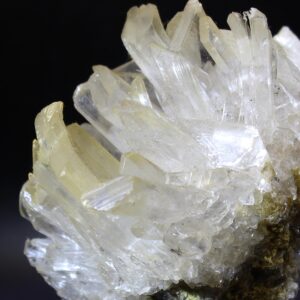
Barite (BaSO₄) is one of the most widespread sulfate minerals and commonly occurs in hydrothermal veins and ore deposits. Well-developed tabular or bladed crystals also make barite attractive to collectors. Celestine (SrSO₄) is structurally closely related to barite and often forms colorless to pale blue crystals. Gypsum (CaSO₄·2H₂O) forms especially commonly in evaporite deposits, but may also occur in other sedimentary and hydrothermally influenced environments.
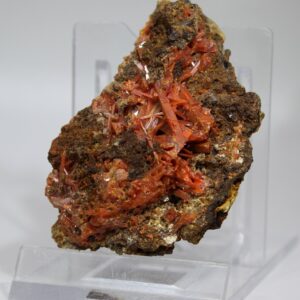
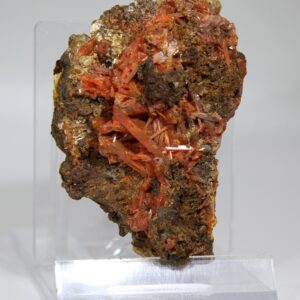
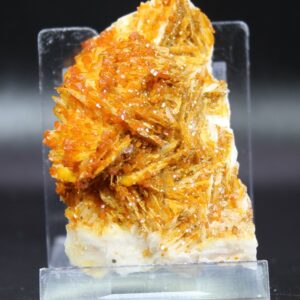
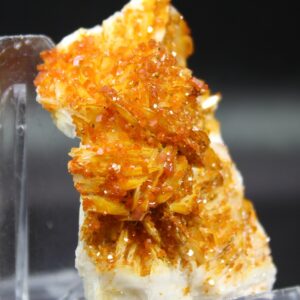
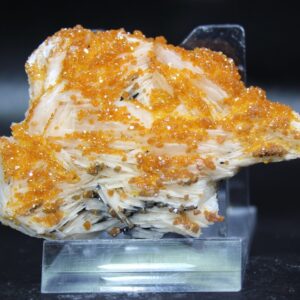
This mineral class also includes several particularly striking collector minerals. Crocoite (PbCrO₄) belongs to the chromates and is well known for its intensely orange to red crystals. It typically forms as a secondary mineral in the oxidation zones of lead deposits. Wulfenite (PbMoO₄), by contrast, belongs to the molybdates and can develop characteristic tabular crystals in yellow, orange or reddish colours.
The minerals of this class therefore form in a wide range of geological environments. They range from widespread sedimentary sulfates to rare secondary minerals from oxidation zones and specialized hydrothermal systems.
The Mineralien Weltweit range includes representatives of this mineral class such as barite, celestine, gypsum, crocoite and wulfenite. Each collector specimen is documented with precise locality information, dimensions, weight and original photographs.
7. Sulfates & Related Minerals
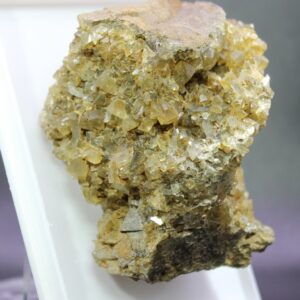
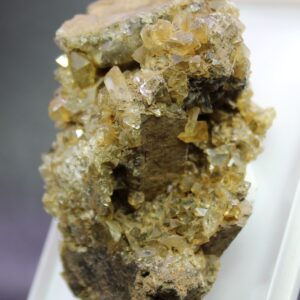
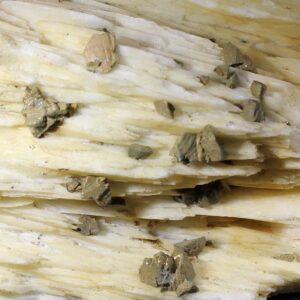
Baryte from Mimberge, Sauerland – Pale Brown Crystals with UV Fluorescence
No VAT is shown in accordance with Section 19 (1) of the German VAT Act. Shipping costs apply.
plus shipping costs


7. Sulfates & Related Minerals
No VAT is shown in accordance with Section 19 (1) of the German VAT Act. Shipping costs apply.
plus shipping costs
2. Sulfides & Sulfosalts
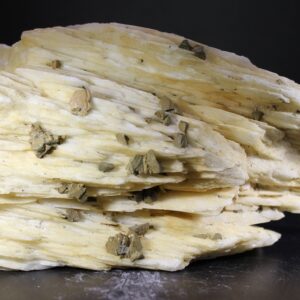
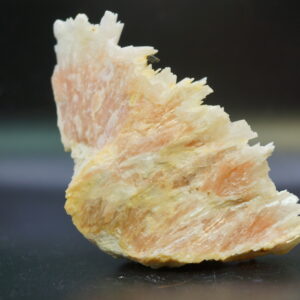
Baryte with Chalcopyrite from Dreislar – Bladed Crystals from a Classic Locality
No VAT is shown in accordance with Section 19 (1) of the German VAT Act. Shipping costs apply.
plus shipping costs

2. Sulfides & Sulfosalts
No VAT is shown in accordance with Section 19 (1) of the German VAT Act. Shipping costs apply.
plus shipping costs

7. Sulfates & Related Minerals
No VAT is shown in accordance with Section 19 (1) of the German VAT Act. Shipping costs apply.
plus shipping costs
5. Carbonates & Nitrates
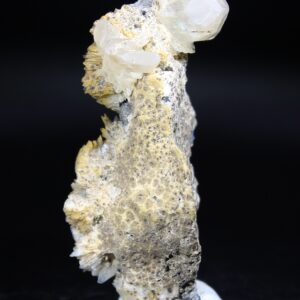
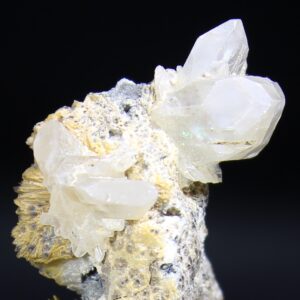
Cerussite with Baryte and Galena from Mibladen – Twinned Crystals on Matrix
No VAT is shown in accordance with Section 19 (1) of the German VAT Act. Shipping costs apply.
plus shipping costs
7. Sulfates & Related Minerals
No VAT is shown in accordance with Section 19 (1) of the German VAT Act. Shipping costs apply.
plus shipping costs
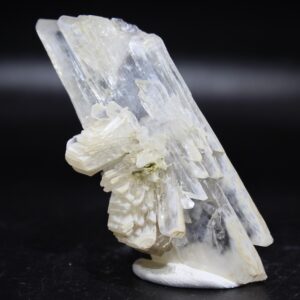
7. Sulfates & Related Minerals
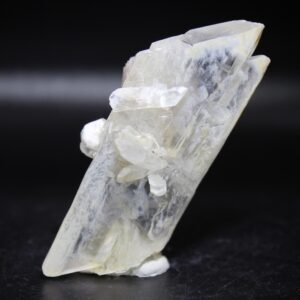
Double-Terminated Gypsum Crystal from Neuenhain, Hesse, Germany
No VAT is shown in accordance with Section 19 (1) of the German VAT Act. Shipping costs apply.
plus shipping costs
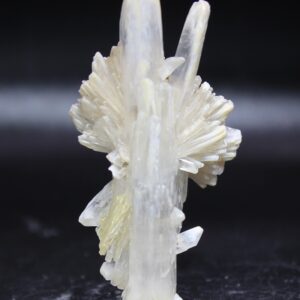
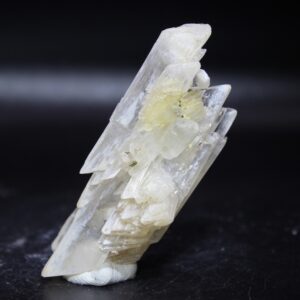
7. Sulfates & Related Minerals
No VAT is shown in accordance with Section 19 (1) of the German VAT Act. Shipping costs apply.
plus shipping costs
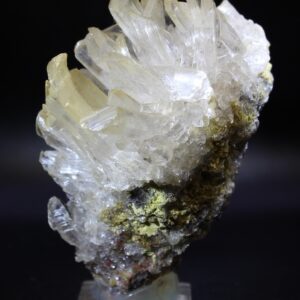
7. Sulfates & Related Minerals
No VAT is shown in accordance with Section 19 (1) of the German VAT Act. Shipping costs apply.
plus shipping costs
7. Sulfates & Related Minerals
No VAT is shown in accordance with Section 19 (1) of the German VAT Act. Shipping costs apply.
plus shipping costs
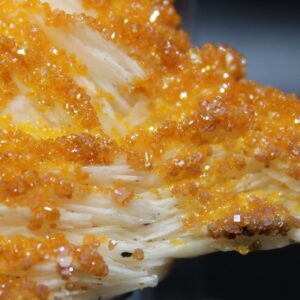
7. Sulfates & Related Minerals
No VAT is shown in accordance with Section 19 (1) of the German VAT Act. Shipping costs apply.
plus shipping costs