

Oxides and hydroxides form the fourth class of the Strunz mineral classification. They include minerals in which oxygen or hydroxyl groups play a central role in the chemical composition. The class ranges from relatively simple compounds to complex multiple oxides containing a variety of cations.
Among the best-known oxide minerals are quartz, hematite, magnetite, corundum, rutile, cassiterite, ilmenite, chromite and pyrolusite. Typical hydroxide minerals include goethite, diaspore, gibbsite and brucite. Many of these minerals are also of major economic importance as ores of iron, aluminium, titanium, tin, chromium and other metals.
Quartz (SiO₂) occupies a special position within this class. Despite its importance as a major rock-forming mineral, it is classified systematically among the oxides. Its many varieties and forms include rock crystal, smoky quartz, amethyst, citrine, agate, chalcedony and ferruginous quartz. Opal is also grouped within this broader systematic context.
Oxides and hydroxides form in a wide range of geological environments. They occur in igneous rocks and pegmatites, hydrothermal deposits, metamorphic rocks, sediments and weathering zones. Oxidation zones of ore deposits in particular can host numerous secondary oxide and hydroxide minerals.
Some members of this class are typical high-temperature minerals, while others form preferentially under near-surface conditions. Complex oxides such as columbite-tantalite, euxenite, pyrochlore, perovskite and zirconolite are often associated with rare elements and occur especially in specialized igneous systems, pegmatites or alkaline rocks.
Oxides and hydroxides are therefore among the most mineralogically, geologically and economically important mineral classes. At the same time, the group includes many classic collector minerals with highly varied crystal forms, colours and geological origins.

4. Oxides & Hydroxides
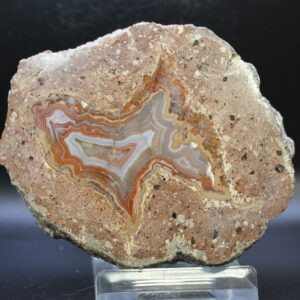
Agate from Nowy Kościół, Poland – Finely Banded Large Cabinet Specimen
No VAT is shown in accordance with Section 19 (1) of the German VAT Act. Shipping costs apply.
plus shipping costs
4. Oxides & Hydroxides
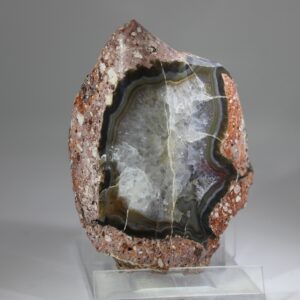
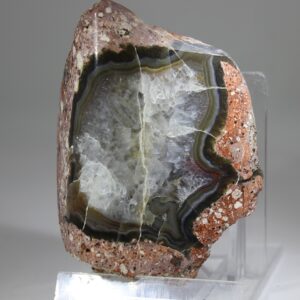
Bituminous Agate from Nowy Kościół, Poland – Banded with Quartz Core
No VAT is shown in accordance with Section 19 (1) of the German VAT Act. Shipping costs apply.
plus shipping costs
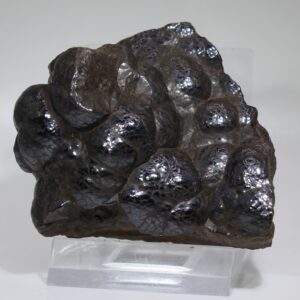
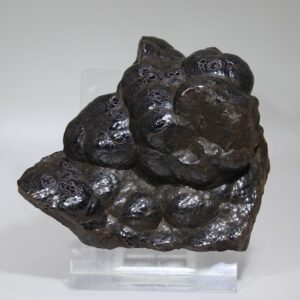
4. Oxides & Hydroxides
No VAT is shown in accordance with Section 19 (1) of the German VAT Act. Shipping costs apply.
plus shipping costs
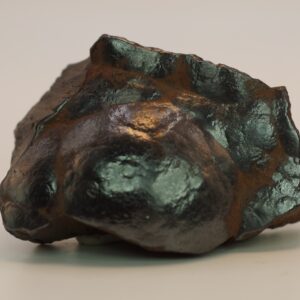
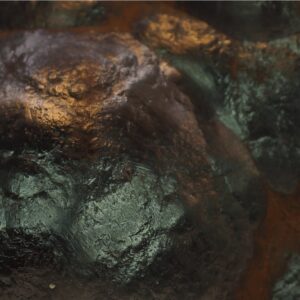
4. Oxides & Hydroxides
No VAT is shown in accordance with Section 19 (1) of the German VAT Act. Shipping costs apply.
plus shipping costs

4. Oxides & Hydroxides
No VAT is shown in accordance with Section 19 (1) of the German VAT Act. Shipping costs apply.
plus shipping costs
4. Oxides & Hydroxides
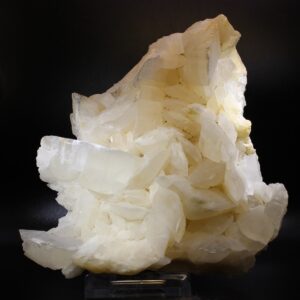
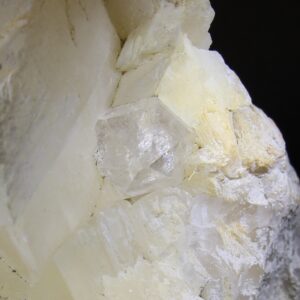
Calcite with Rock Crystal from the Virgental, East Tyrol – Alpine Fissure Specimen
No VAT is shown in accordance with Section 19 (1) of the German VAT Act. Shipping costs apply.
plus shipping costs
4. Oxides & Hydroxides
No VAT is shown in accordance with Section 19 (1) of the German VAT Act. Shipping costs apply.
plus shipping costs
4. Oxides & Hydroxides
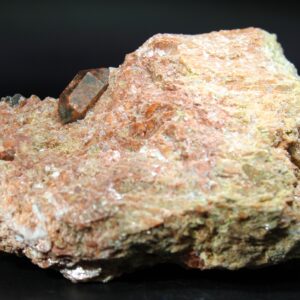
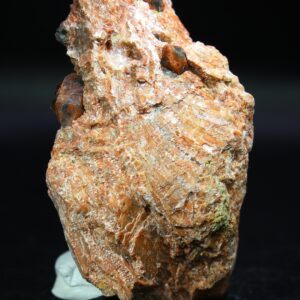
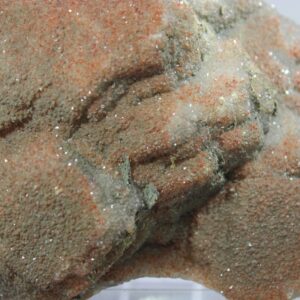
Eisenkiesel from Montroy, Valencia – Quartz Crystals on Matrix
No VAT is shown in accordance with Section 19 (1) of the German VAT Act. Shipping costs apply.
plus shipping costs
No VAT is shown in accordance with Section 19 (1) of the German VAT Act. Shipping costs apply.
plus shipping costs
4. Oxides & Hydroxides
No VAT is shown in accordance with Section 19 (1) of the German VAT Act. Shipping costs apply.
plus shipping costs
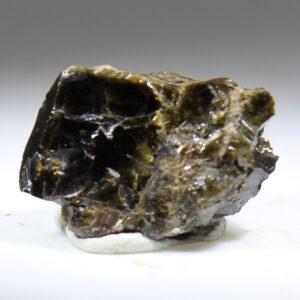
4. Oxides & Hydroxides
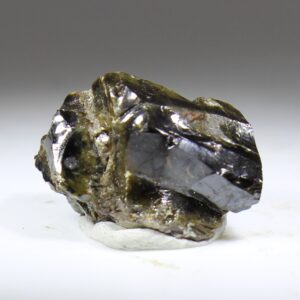
Euxenite-(Y) from Evje, Norway – Dark Crystal with Strong Luster
No VAT is shown in accordance with Section 19 (1) of the German VAT Act. Shipping costs apply.
plus shipping costs
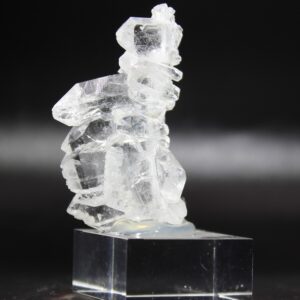
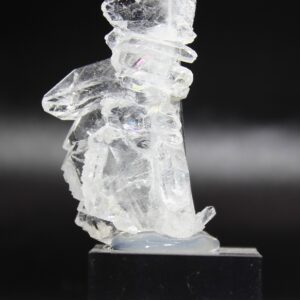
4. Oxides & Hydroxides
No VAT is shown in accordance with Section 19 (1) of the German VAT Act. Shipping costs apply.
plus shipping costs