

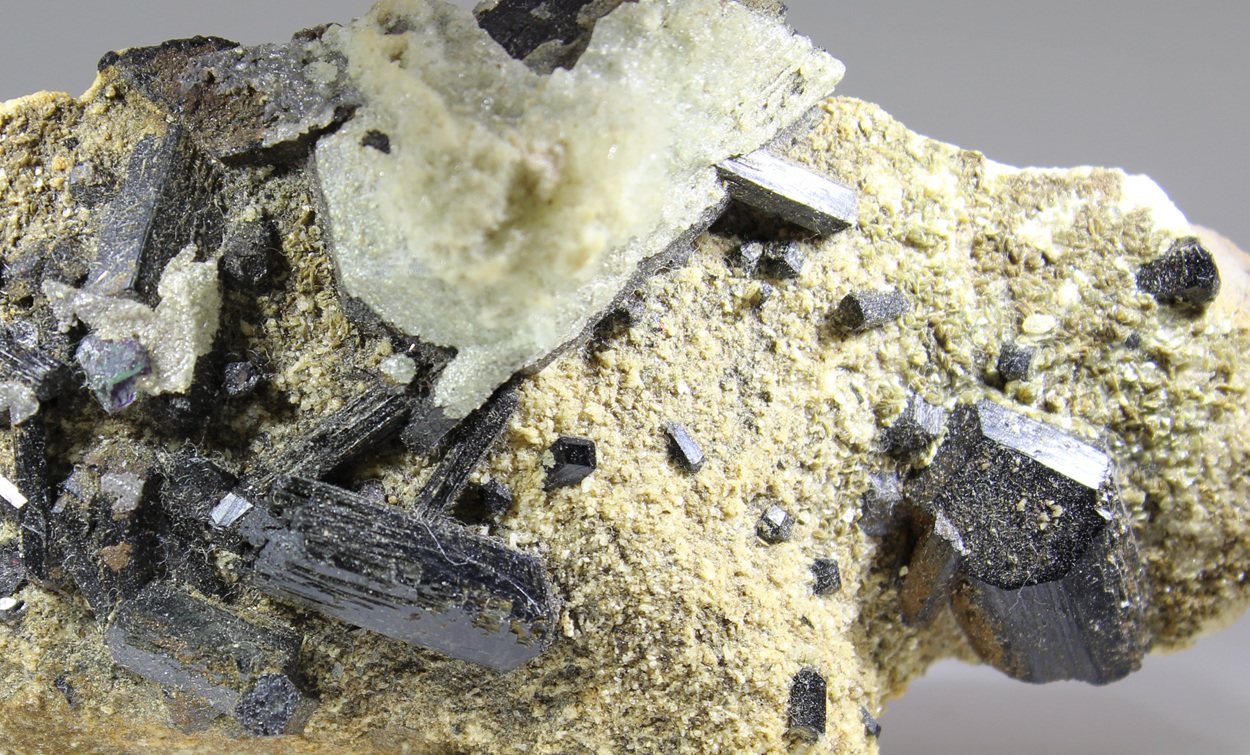
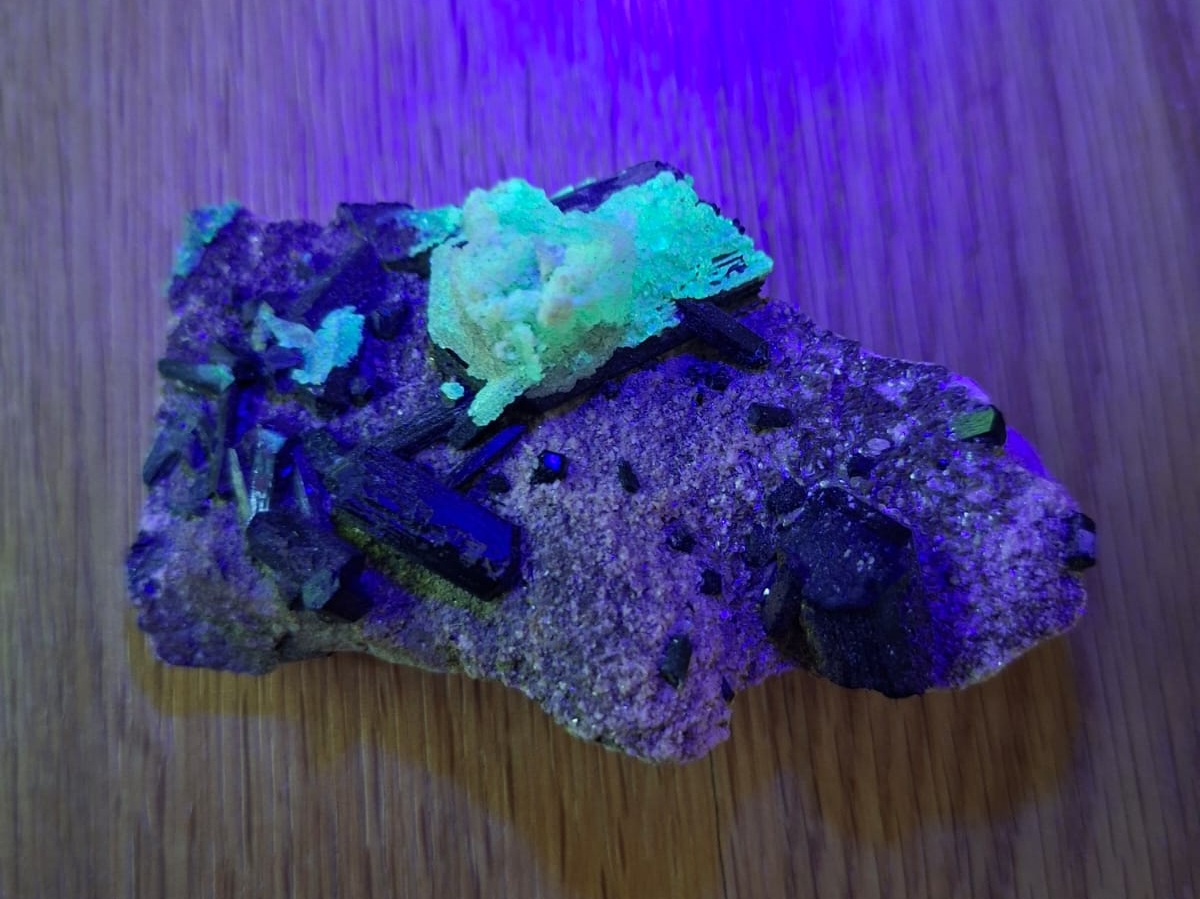



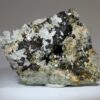
Cabinet specimen with numerous black, long-prismatic schorl crystals on a pale matrix. Several crystals, including a prominent larger crystal, are partly covered by a cream-colored mineral coating that has not been conclusively identified. Under long-wave UV light, this coating shows an intense yellowish-green fluorescence. Its appearance and fluorescence may indicate hyalite or opal-AN, although no analytical confirmation is available.
Schorl with a Pale Mineral Coating from Namibia
Parts of the matrix and several schorl crystals are covered by a cream-colored to whitish mineral coating. The coating has a fine-grained to locally irregular crust-like appearance.
Under long-wave UV light, the coating shows an intense yellowish-green fluorescence. This fluorescence and its crust-like formation may indicate hyalite or opal-AN. However, a definitive mineralogical identification is not possible without analytical testing.
In daylight, the pale coating contrasts clearly with the black tourmaline crystals. Under UV light, it becomes even more prominent because of its strong fluorescence.
Pale Mineral Coating with Yellowish-Green Fluorescence
Parts of the matrix and several schorl crystals are covered by a cream-colored to whitish mineral coating. Its fine-grained and locally flaky appearance may indicate mica or sericite. An altered or weathered feldspar coating is also possible.
As no analytical identification is available, the pale material is not assigned to a specific mineral species. Nevertheless, the coating creates a strong contrast with the deep black tourmaline crystals and emphasizes their form and surface texture.
Characteristic Schorl Specimen from Erongo
The Erongo region of Namibia is internationally known for mineral specimens from granitic pegmatites. Schorl commonly occurs there as black, longitudinally striated crystals associated with feldspar, quartz, mica, and other minerals.
The specimen measures 8.0 × 5.0 × 2.0 cm and weighs 80.0 g. Its numerous crystals, prominent main crystal, and contrasting pale coating create a varied and three-dimensional display face.
The combination of long-prismatic schorl crystals, a pale mineral coating, and intense UV fluorescence makes this an unusual mineral specimen from the Erongo region.
| Feature | Details |
|---|---|
| Main mineral | Schorl |
| Mineral group | Tourmaline group |
| Associated mineralization | Cream-colored to whitish mineral coating, not conclusively identified |
| Possible identification of coating | Probably hyalite or opal-AN; not analytically confirmed |
| Fuorescence | Intense yellowish-green fluorescence of the pale coating under long-wave UV light |
| Mineral class | Silicates and germanates |
| Locality | Erongo region, Namibia |
| Specimen dimensions | 8.0 × 5.0 × 2.0 cm |
| Weight | 80.0 g |
| Size category | Cabinet specimen |
| Crystal habit | Long-prismatic, distinctly striated schorl crystals |
| Schorl color | Black |
| Luster | Matte to slightly lustrous |
| Matrix | Pale cream-colored, fine-grained matrix |
| Special Feature | Schorl crystals with an intensely yellowish-green fluorescent mineral coating |
| Collection Focus | Tourmalines, Namibian minerals, and fluorescent minerals |
| Mineral | Schorl |
|---|---|
| Color | Black, White |
| Size | Cabinet specimen (7-10 cm) |
| Continent | Africa |
| Country | Namibia |
| Feature | Classic locality, UV fluorescence |
Be the first to review “Schorl with Pale Mineral Coating from Erongo, Namibia”
Related products
9. Silicates & Germanates
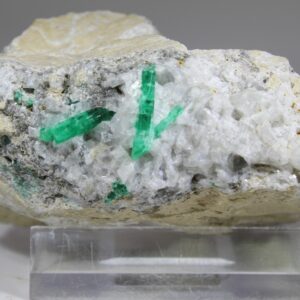
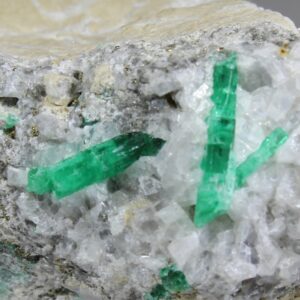
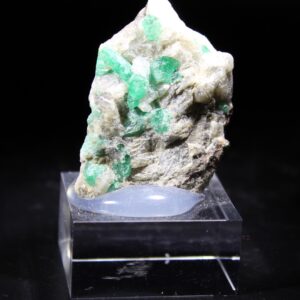
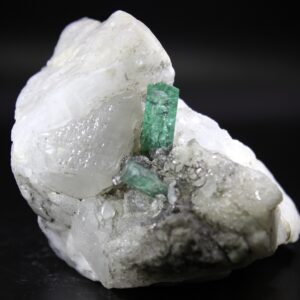
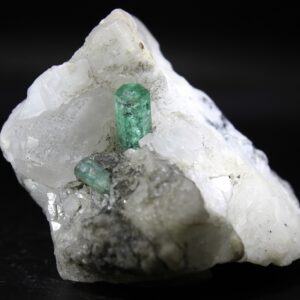
Three Emerald Crystals on Calcite Matrix from Chivor, Boyacá, Colombia
No VAT is shown in accordance with Section 19 (1) of the German VAT Act. Shipping costs apply.
plus shipping costs
8. Phosphates, Arsenates & Vanadates
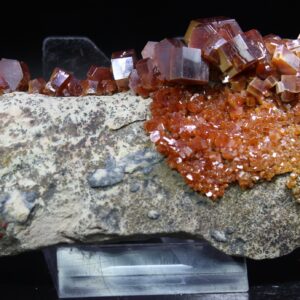
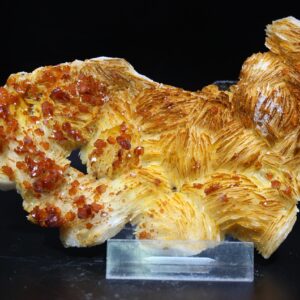
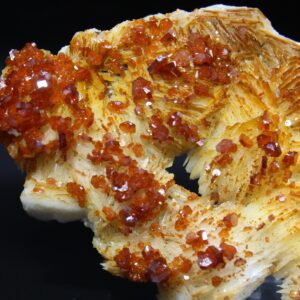
Vanadinite from Mibladen, Morocco – Large Crystals on Matrix
No VAT is shown in accordance with Section 19 (1) of the German VAT Act. Shipping costs apply.
plus shipping costs
7. Sulfates & Related Minerals
No VAT is shown in accordance with Section 19 (1) of the German VAT Act. Shipping costs apply.
plus shipping costs
No VAT is shown in accordance with Section 19 (1) of the German VAT Act. Shipping costs apply.
plus shipping costs

9. Silicates & Germanates
No VAT is shown in accordance with Section 19 (1) of the German VAT Act. Shipping costs apply.
plus shipping costs
5. Carbonates & Nitrates
No VAT is shown in accordance with Section 19 (1) of the German VAT Act. Shipping costs apply.
plus shipping costs
9. Silicates & Germanates
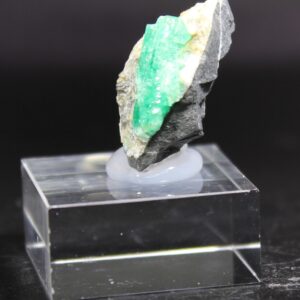
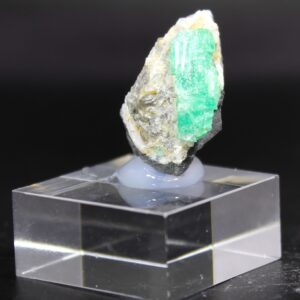
Emerald from Galería Los Topos, Chivor – 1.4 cm Crystal on Matrix
No VAT is shown in accordance with Section 19 (1) of the German VAT Act. Shipping costs apply.
plus shipping costs
9. Silicates & Germanates
No VAT is shown in accordance with Section 19 (1) of the German VAT Act. Shipping costs apply.
plus shipping costs
Reviews
There are no reviews yet.